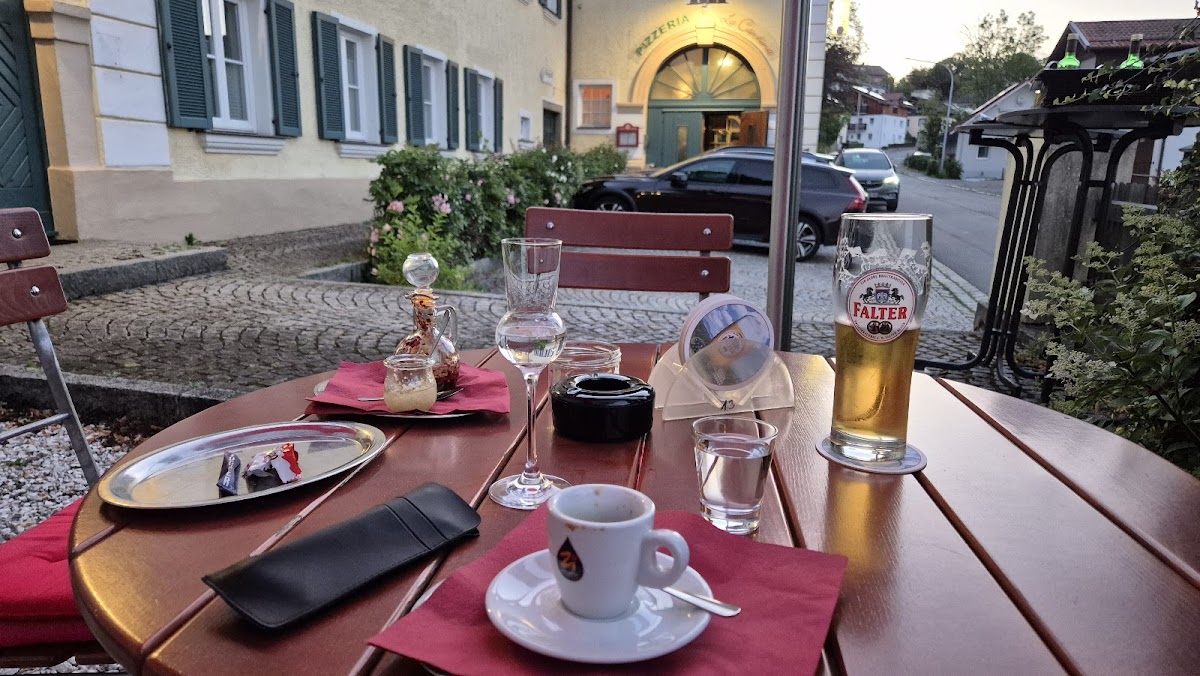
Wir waren hier um Urlaub zu machen und wollten eigentlich bayerisch essen gehen. Wir landeten dann im La Cantina und es war super lecker. Mein Mann hatte eine Pasta und ich eine Pizza, alles war richtig gut. Auch das Tiramisu und der Cappuccino sind zu empfehlen. Die Bedienung war sehr freundlich. Danke für den schönen Abend.
Overview
Tucked away at Regener Str. 33, 94513 Schönberg, Germany, Pizzeria La Cantina feels like one of those places you almost want to keep to yourself. I first stopped by on a chilly Bavarian evening after a long drive through the Bavarian Forest, and the warm glow from inside instantly pulled me in. The aroma of wood-fired pizza and simmering tomato sauce hit before I even reached the table, and from that moment, I knew this wasn’t going to be an average diner experience.
The menu is built around classic Italian comfort food-crispy stone-baked pizzas, handmade pasta, fresh salads, and a handful of hearty meat dishes. What stood out to me right away was the dough. If you’ve ever followed the guidelines of the Associazione Verace Pizza Napoletana, you’ll know that authentic pizza dough requires long fermentation, minimal yeast, and high temperatures. While this isn’t Naples, the kitchen clearly respects those principles. The crust was airy yet structured, with those beautifully charred bubbles that signal proper heat and timing. According to food science research published by the University of Naples, slow fermentation improves both digestibility and flavor complexity, and you can genuinely taste that difference here.
I ordered a classic Margherita first-partly because it’s the benchmark of any serious pizzeria. Fresh tomato sauce, creamy mozzarella, fragrant basil, and a drizzle of olive oil. Simple, yes, but that’s exactly why it matters. When the basics are done right, everything else tends to follow. The sauce had a natural sweetness balanced by gentle acidity, likely from high-quality Italian tomatoes. Then I tried the Quattro Stagioni on a return visit, and it confirmed my first impression. The toppings were evenly distributed, the mushrooms still juicy, the ham delicate rather than overpowering. It’s that attention to detail that separates a good pizza restaurant from a great one.
Beyond pizza, the pasta dishes deserve real credit. The spaghetti carbonara was prepared the traditional Roman way-no cream, just eggs, cheese, pancetta, and black pepper. That technique matters. Culinary authorities like the Italian Academy of Cuisine emphasize authenticity in preparation methods, and it’s refreshing to see a local German-Italian restaurant staying true to those roots. The result? A silky sauce that clings perfectly to al dente pasta.
Service adds another layer to the experience. During my visits, the staff were attentive without hovering. Orders arrived promptly, even during busy dinner hours, and they were happy to explain ingredients when asked. I noticed several tables filled with local families, which is always a good sign. Regular guests chatting comfortably with the servers tells you a lot about consistency and trust.
Online reviews echo similar sentiments. Many diners praise the generous portions and the relaxed atmosphere. While no restaurant is flawless-wait times can stretch slightly on peak weekends-the overall feedback is overwhelmingly positive. That kind of consistency across different customer experiences builds confidence. It suggests stable kitchen management and a reliable workflow behind the scenes.
The interior is cozy, blending rustic Bavarian charm with Italian touches. Wooden tables, warm lighting, and subtle Mediterranean décor create a setting that works equally well for casual dinners, small celebrations, or a laid-back lunch. Location-wise, being right in Schönberg makes it convenient for both locals and travelers exploring the region.
From a practical standpoint, pricing feels fair for the quality offered. Ingredients taste fresh, portions are satisfying, and the balance between value and flavor is spot on. In an era where many restaurants cut corners to manage costs, it’s reassuring to find a spot that maintains standards without overcomplicating the concept.
What keeps me coming back isn’t just the pizza or pasta-it’s the overall reliability. You know what you’re getting: authentic flavors, a welcoming atmosphere, and food prepared with clear understanding of Italian culinary traditions. In my experience, that combination is harder to find than it should be.
Good to know
Service options
✓ Outdoor seating ✓ Kerbside pickup ✓ Takeaway ✓ Dine-in ✓ DeliveryHighlights
✓ Great coffeePopular for
✓ Lunch ✓ Dinner ✓ Solo diningAccessibility
✓ Wheelchair-accessible car park ✓ Wheelchair-accessible entrance ✓ Wheelchair-accessible seating ✓ Assistive hearing loop ✓ Wheelchair-accessible toiletOfferings
✓ Alcohol ✓ Beer ✓ Coffee ✓ Healthy options ✓ Late-night food ✓ Private dining room ✓ Quick bite ✓ Small plates ✓ Spirits ✓ Vegetarian options ✓ WineDining options
✓ Lunch ✓ Dinner ✓ Counter service ✓ Dessert ✓ Seating ✓ Table serviceAmenities
✓ Toilet ✓ Wi-Fi ✓ Wi-FiAtmosphere
✓ Casual ✓ Cosy ✓ TrendyCrowd
✓ Family friendly ✓ Groups ✓ LGBTQ+ friendly ✓ TouristsPlanning
✓ Dinner reservations recommended ✓ Accepts reservationsPayments
✓ Credit cards ✓ Debit cards ✓ NFC mobile payments ✓ Credit cardsChildren
✓ Good for kids ✓ High chairs ✓ Kids' menuParking
✓ Free of charge street parking ✓ Free parking lot ✓ ParkingPets
✓ Dogs allowed ✓ Dogs allowed inside ✓ Dogs allowed outsidePhotos
1 / 4
Location
Reviews
- No ratings yet 197 reviews
Sehr freundlicher Service, die Tomaten-Mozarella Platte vorneweg war schon sehr gut, die Pizza mit Parmaschinken und Ruccola war ebenfalls sehr gut. Auch das dunkle Hefeweißbier von FALTER war sehr gut. Preis-Leistung Mega gut. Absolut eine Empfehlung !
Wir wurden freundlich begrüßt und an den Tisch gebracht worden Das Essen war sehr gut und die Auswahl der Gerichte ist groß . Macht weiter so
TOP! TOP! TOP! Wir gehen so gerne bei euch essen. Preisleistung ist super, das Essen ist mega, der Service ist auch super!
Wir wurden sehr freundlich bedient, Essen war sehr lecker, keine lange Wartezeiten, und auch vom Preis her nicht überteuert.
Das Essen schmeckt lecker und die Bedienung ist freundlich und zuvorkommend.
Die Pizza ist gut, allerdings war sie für unseren Geschmack zu salzig - und leider relativ klein. Preis-Leistung ist ok, aber es ist noch Luft nach oben.
Zwar keine Steinofenpizza, aber trotzdem sehr lecker. Bruschetta extrem lecker, leider nicht bestellbar… würden wir sonst immer als Vorspeise bestellen. Kommen immer wieder gerne…. Und einen „kleinen Absacker“ auf Kosten des Hauses bekommt man auch nicht mehr oft…..